
Butterfly Valves
BRITVAL offers high-quality Butterfly Valves designed to start, stop, and regulate fluid flow in pipelines with efficiency and reliability. A butterfly valve operates using a disc mounted on a rotating shaft; when the valve is turned 90 degrees, the disc rotates to either allow or restrict the flow of fluid.
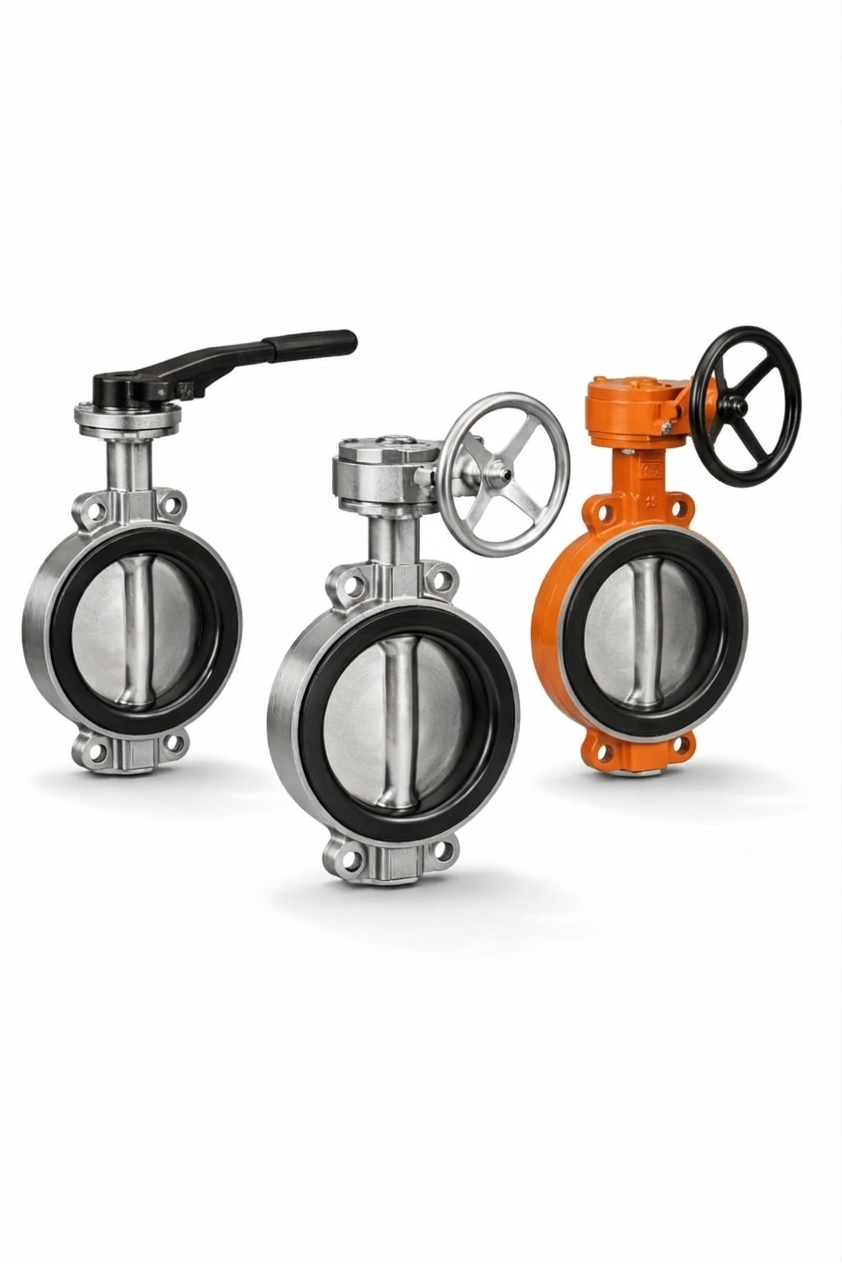
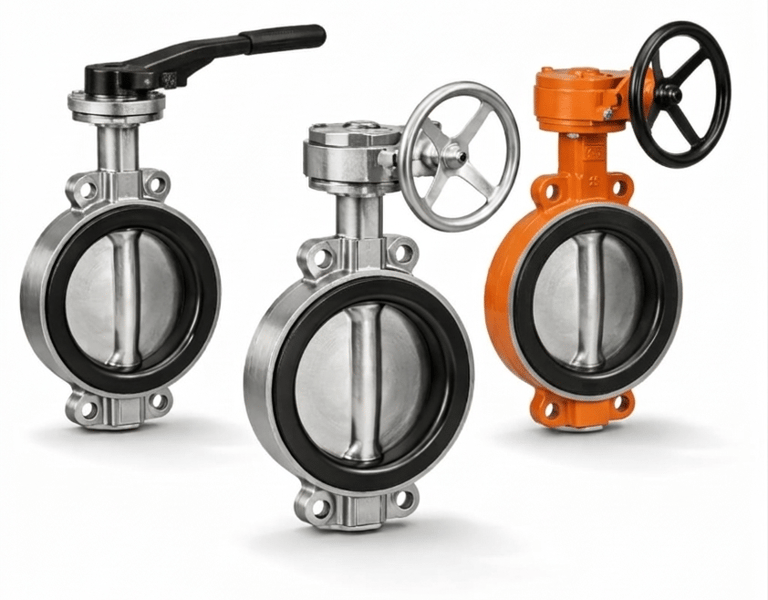
Engineered for compact installation, smooth operation, and long service life, our butterfly valves provide excellent sealing performance while requiring minimal maintenance. Their lightweight and cost-effective design makes them ideal for handling large volumes of liquids and gases. They are widely used in industries such as water distribution, wastewater treatment, chemical processing, oil and gas, and various industrial applications, where dependable flow control and space-saving design are essential.
Premium Quality Butterfly Valves by BRITVAL
Butterfly Valves
>
>
TYPES OF BUTTERFLY VALVES WE SUPPLY
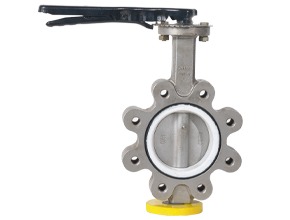
Lug Butterfly Valve
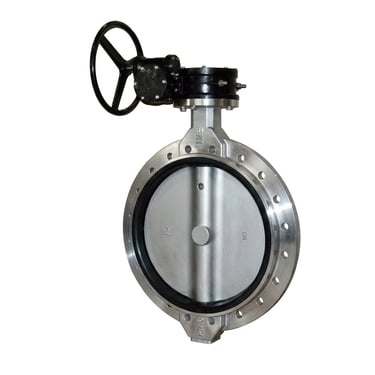
Flange Butterfly Valve
Wafer Butterfly Valve
Concentric Butterfly Valve
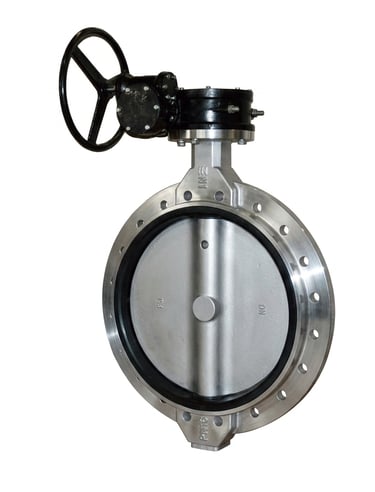
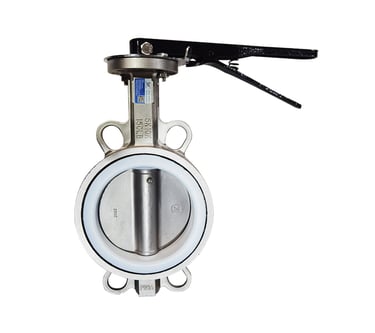
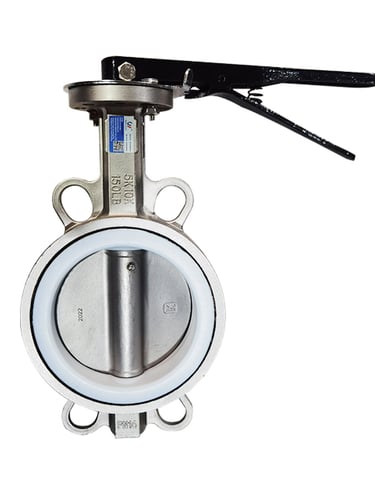
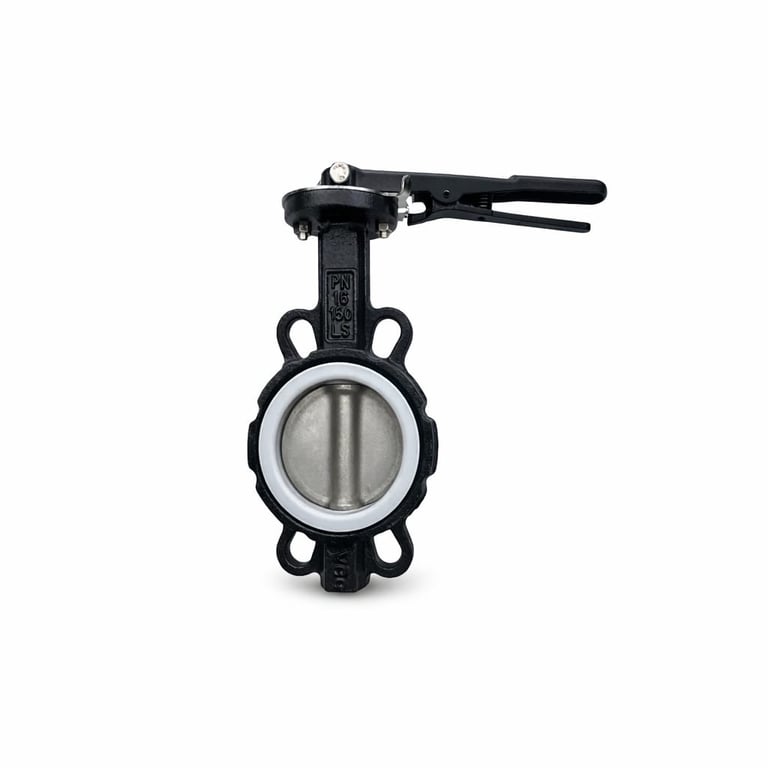
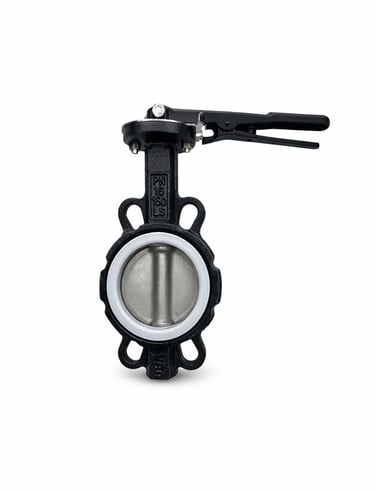
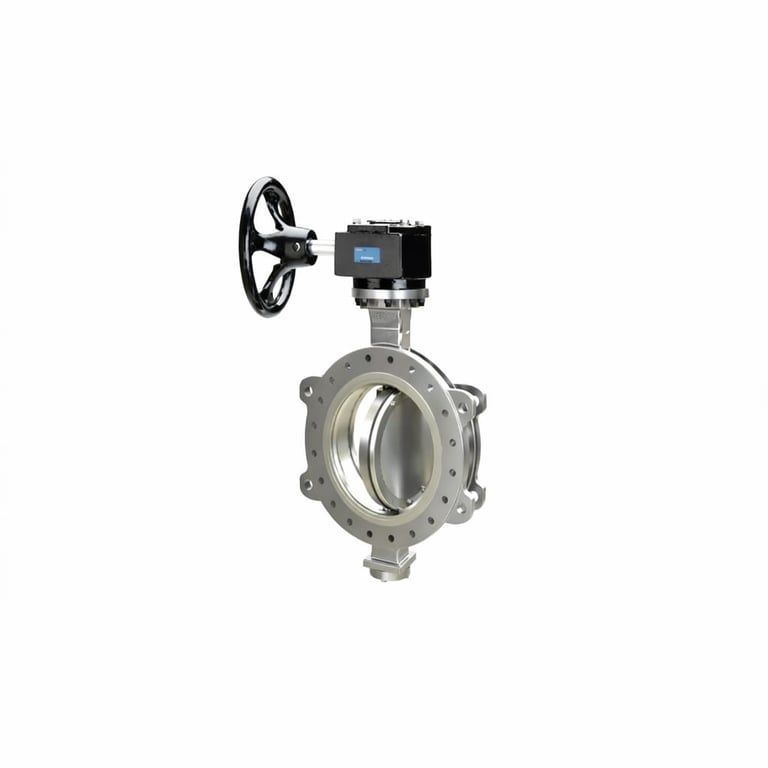
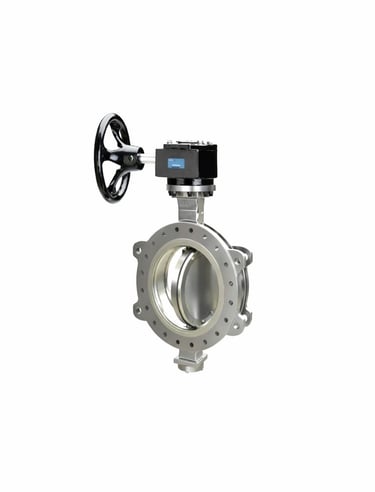
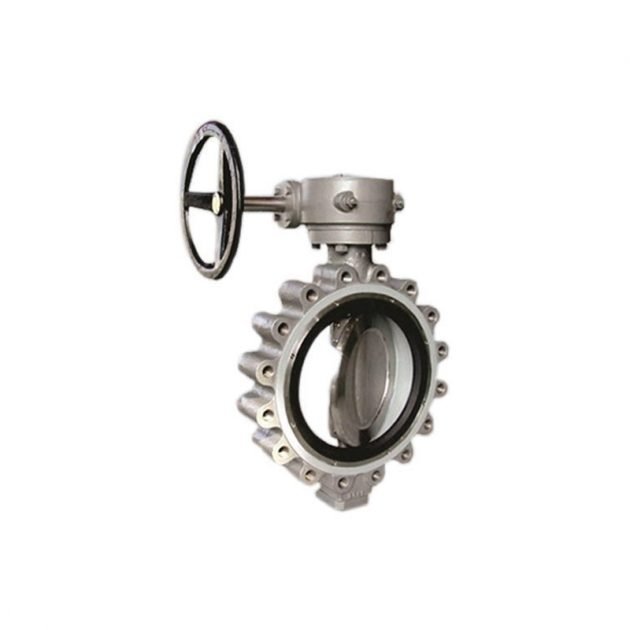
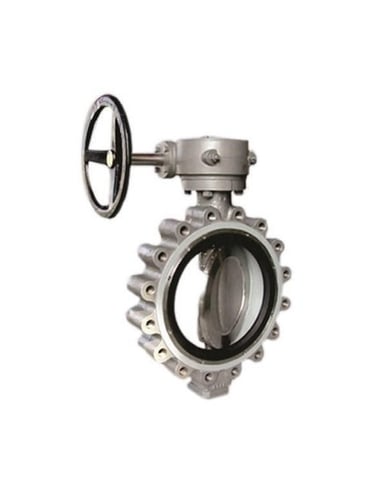
Single Offset Butterfly Valve
Double Offset Butterfly Valve
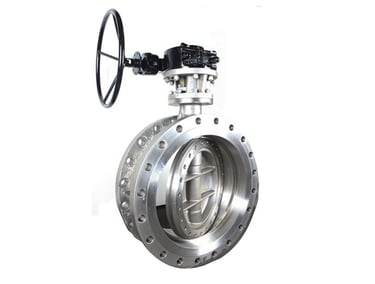
Triple Offset Butterfly Valve
Key Features of BRITVAL Butterfly Valves:
Compact Design -
Butterfly valves are lightweight and require less space compared to other types of valves, such as gate or ball valves.
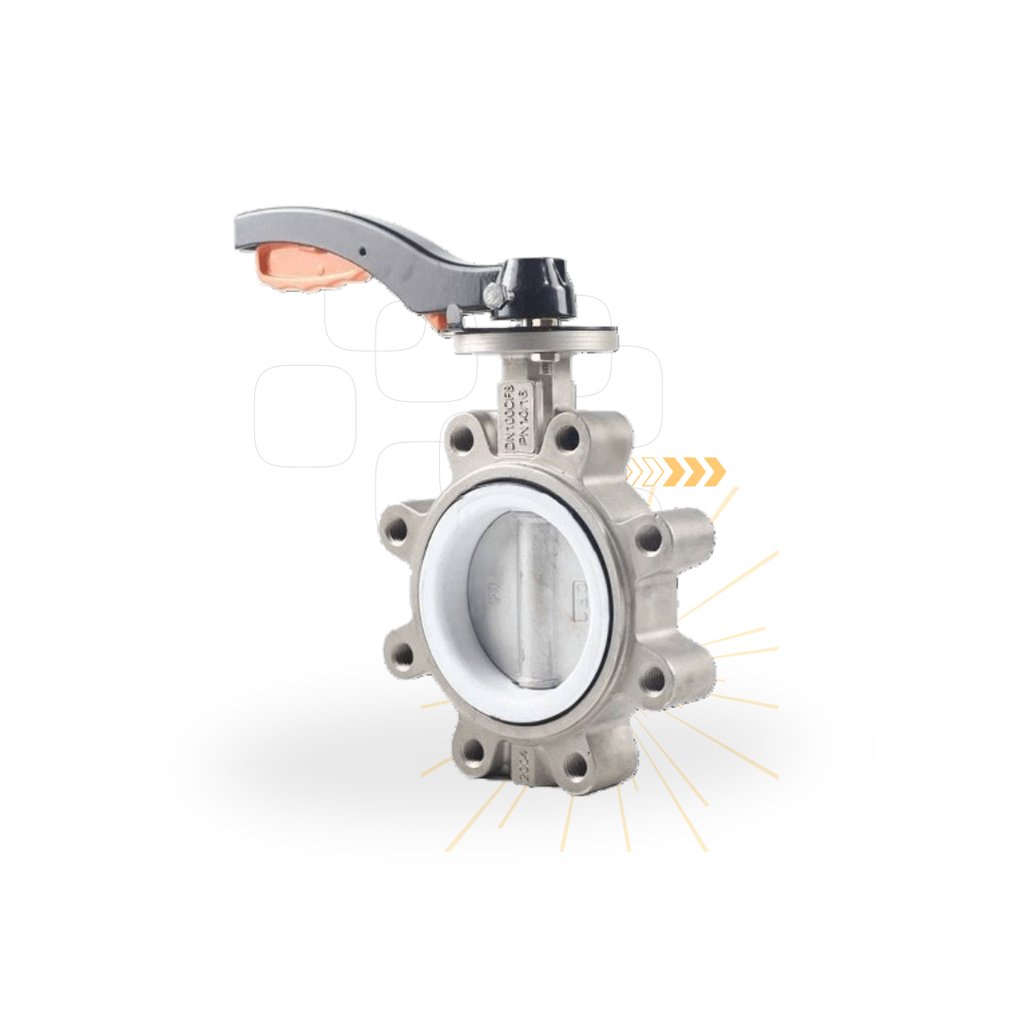
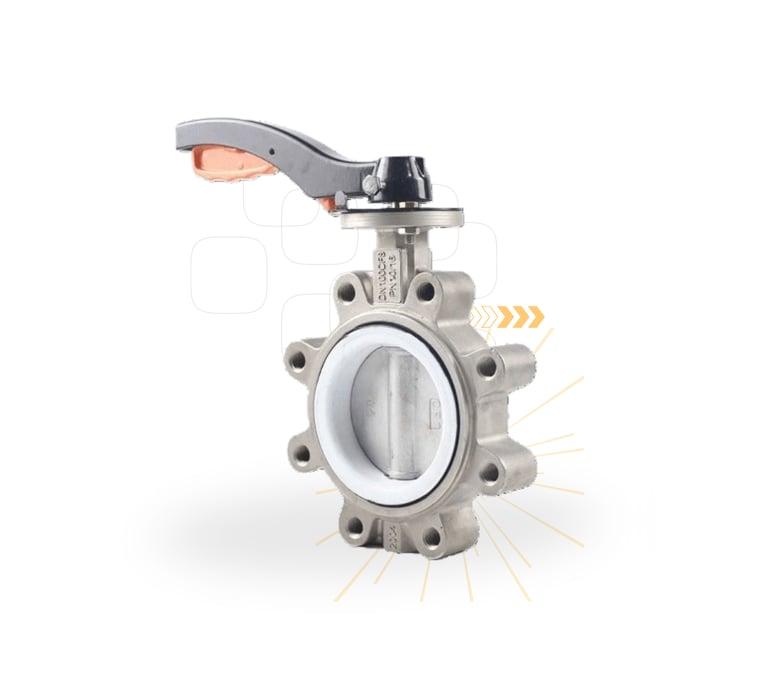
Quick Operation -
The quarter-turn mechanism allows for fast opening and closing.
Low Maintenance -
Due to their simple design and fewer moving parts, butterfly valves are relatively low maintenance.
Cost-Effective -
Typically more affordable than other types of valves due to simpler construction and lighter materials.
Versatility -
Available in various materials and designs to suit a wide range of applications, including high-pressure, high-temperature, and corrosive environments.
Pressure Drop -
Butterfly valves generally have a lower pressure drop compared to gate valves when fully open, especially in larger diameters.
Flow Regulation -
While butterfly valves are primarily used for on/off control, they can also be used for throttling or flow regulation.
Construction of Butterfly Valves:
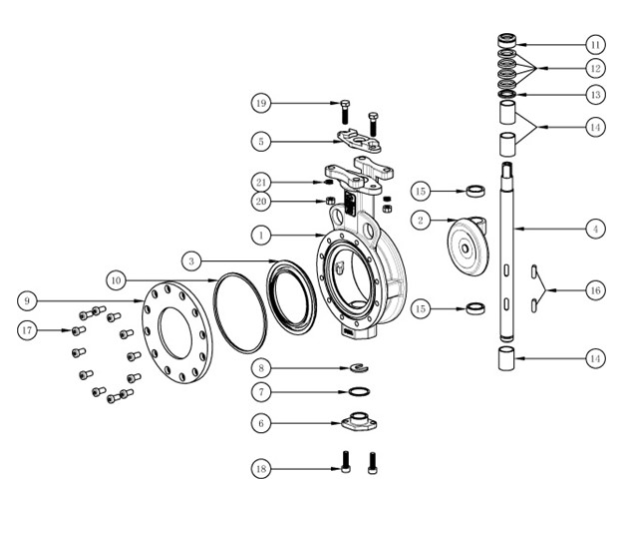
Valve Body -
Material: The valve body is typically made from materials like cast iron, ductile iron, carbon steel, or stainless steel, depending on the application.
Design: The body is designed to fit between two pipe flanges (wafer type) or to be bolted on (lug type). Some butterfly valves also have flanged ends for easy installation.
Material -
The disc, which controls flow, is usually made from stainless steel, ductile iron, aluminium bronze, or other coated metals for corrosion resistance.
Design -
The disc is located in the center of the valve body and rotates to open or close the valve. In an open position, the disc allows fluid to flow through. When rotated 90 degrees, it closes off the flow.
Offset Types -
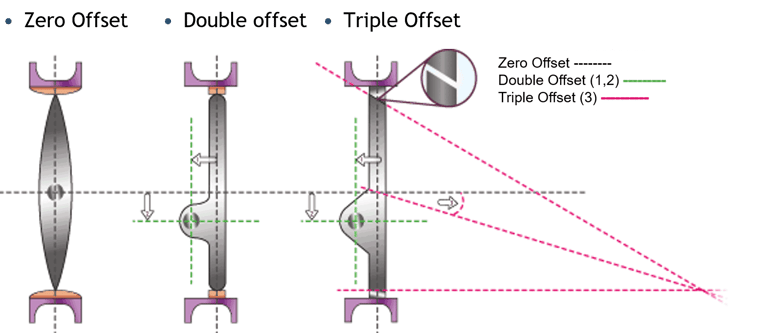
o Concentric (Zero-Offset) Butterfly Valve -
The disc is positioned in the center of the valve body, with the stem passing through the center of the disc.
Ideal for low-pressure applications with soft seats.
Commonly used for water and wastewater applications.
Flow Regulation -
While butterfly valves are primarily used for on/off control, they can also be used for throttling or flow regulation.
o Double Offset (High-Performance Butterfly Valve) -
The disc is offset from the center of the body and the shaft axis, reducing seat contact during operation and increasing seal life.
Suitable for higher pressures and temperatures than concentric valves.
Used in industries like oil and gas, power generation, and chemical processing.
o Triple Offset Butterfly Valve -
Has three offsets (two like a double offset valve, with an additional third angular offset).
This design ensures a metal-to-metal seal with minimal wear, making it ideal for high-temperature, high-pressure, and critical applications.
Used for steam systems, petrochemical, and process industries.
Operation -
Manual: Operated by a lever or gear system for smaller valves.
Automated: Larger valves or those in hard-to-reach areas are typically equipped with electric, pneumatic, or hydraulic actuators for remote or automated control.

Material of Construction
Contact
Reach out for quotes or technical support
sales@britval.co.uk
+44 (0)24 7538 2433
© 2026. Britval Ltd.
+971 (6) 558 2741
PHONE
middleeast@britval.co.uk
BRITVAL delivers high-performance flow control solutions for oil & gas, petrochemical, power, water, and heavy industries worldwide.

YOUR BEST VALVE PARTNER